











.webp)

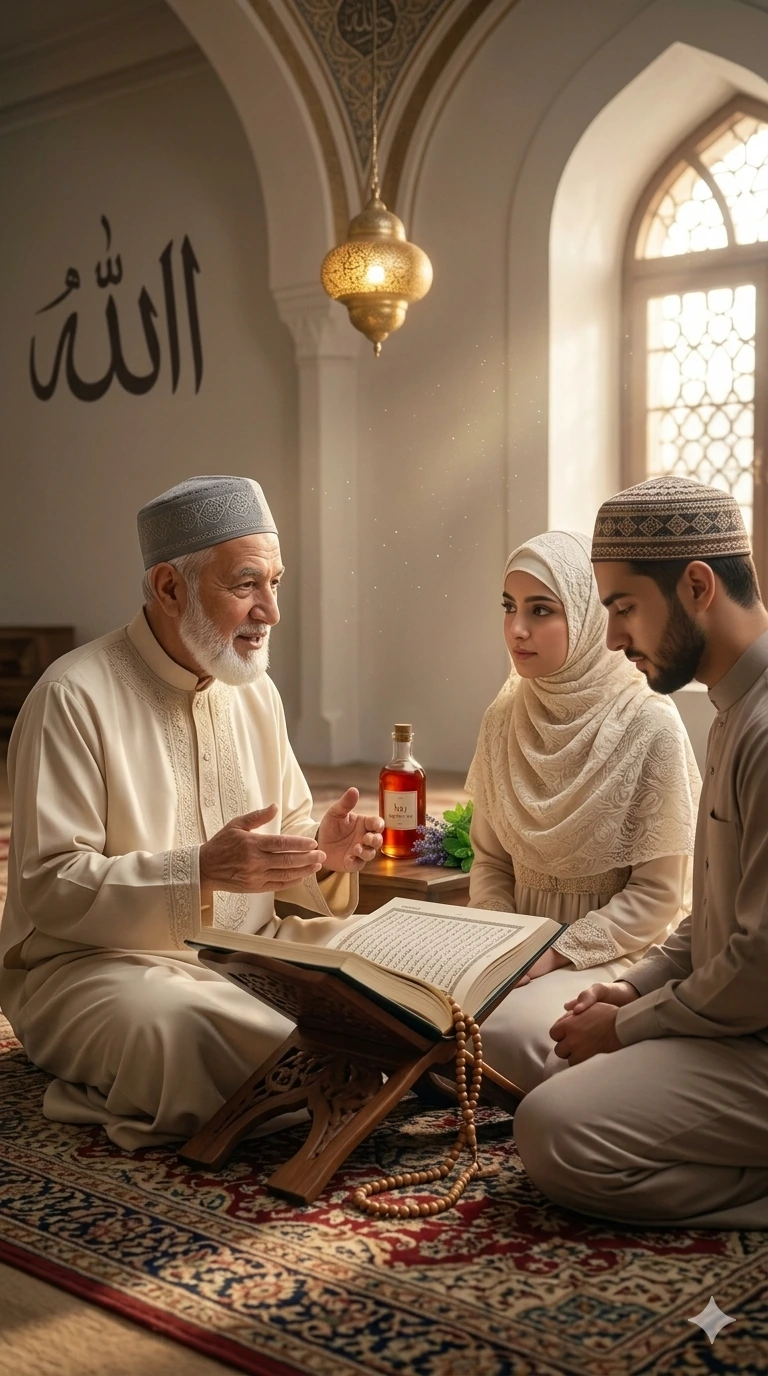
To ensure that a marriage is both faith-compliant and fully recognized under Australian law, couples must navigate both traditional expectations and local administrative requirements systematically. In Australia, a valid union requires either a ceremony conducted by a community leader who is officially registered as a Commonwealth marriage celebrant, or the completion of a separate civil registry wedding alongside the religious ceremony. Relying solely on an unsubmitted religious document does not provide legal recognition. Couples must also lodge a Notice of Intended Marriage (NOIM) form at least one month prior to the ceremony to comply with the statutory guidelines of the Australian Marriage Act.
As a faith-sensitive relationship counselor and pre-marital mentor, I frequently support immigrant couples and international students in major Australian cities like Sydney and Melbourne who face emotional stress due to administrative oversights. Navigating legal protections and cultural expectations in a new country can feel overwhelming. Consequently, individuals regularly search online for an authorized Muslim marriage celebrant in Australia, relationship counseling in NSW, or structured family mediation near me to find clear, objective guidance on stabilizing their household foundations.
While online forums are often filled with outdated or unverified advice claiming that casual agreements are sufficient, a reliable approach focuses on the connection between structural security and relationship harmony. From a psychological standpoint, a lack of institutional validation or administrative security can create persistent anxiety between partners. Traditional principles encourage individuals to respect local administrative laws to ensure the rights, financial security, and long-term well-being of both spouses are fully preserved.
Preparing for a stable marriage in Australia requires coordinating traditional values with the necessary administrative and legal milestones.
- Lodge the Required Administrative Notices: Under local guidelines, couples must complete and submit a Notice of Intended Marriage (NOIM) to a registered celebrant at least one month prior to the chosen wedding date. This mandatory waiting period requires forward planning and cannot be bypassed.
- Identify an Authorized Celebrant: Seek out a community leader or Imam who holds a valid Commonwealth marriage celebrant registration. This authorization allows them to facilitate the traditional elements of the ceremony—such as discussing the marital gift (Mahr) and guardianship parameters—while executing the official documentation simultaneously.
- Utilize the Dual Ceremony Pathway: If your preferred community mentor is not officially registered with the Commonwealth, structure the process into two clear phases. Complete the traditional religious ceremony independently, and utilize a registered civil celebrant or visit the state registry office to execute the legal paperwork.
- Secure Official Institutional Documentation: While a celebratory document is provided on the day of the ceremony, the celebrant is responsible for registering the marriage with the state's Registry of Births, Deaths and Marriages (BDM). Once processed, couples must order their official, legally binding certificate for administrative use.
| Area of Preparation | Unverified Online Misconceptions | Practical and Administrative Reality |
|---|---|---|
| Legal Recognition | A traditional religious ceremony automatically grants legal spouse visa rights or financial protections. | Legal validity requires formal registration with the state BDM registry under the Marriage Act framework. |
| Administrative Duty | Registering a marriage with local government institutions compromises traditional faith values. | Fulfilling local legal obligations aligns with traditional values of transparency, protection, and accountability. |
| The Outcome | A basic commemorative mosque certificate is sufficient for long-term state documentation. | Commemorative certificates lack statutory authority; only an official BDM certificate functions as formal legal proof. |
When administrative complexities or registration mistakes create domestic tension, managing the resulting stress requires objective support. This degree of uncertainty can impact a couple's emotional connection, which is why partnering with an experienced family counselor becomes highly beneficial.
My professional framework combines behavioral psychology with faith-sensitive relationship mentoring to help you build a transparent, secure foundation:
- Addressing Relational Dynamics: We evaluate whether ongoing communication blocks stem from simple administrative confusion or deeper interpersonal patterns regarding transparency and mutual rights.
- Communication and Anxiety Coaching: I provide practical cognitive behavioral tools to manage relocation stress and visa-related anxiety, helping you communicate your structural and emotional security needs to your partner calmly.
- Fostering Shared Values: We focus on traditional principles of accountability, justice, and family harmony to ensure both partners enter the union with a deep sense of mutual respect and clarity.
- Developing a Practical Roadmap: Couples receive structured guidance on how to organize their administrative steps, collaborate with local registry offices efficiently, and transition smoothly into married life with absolute psychological and structural peace.